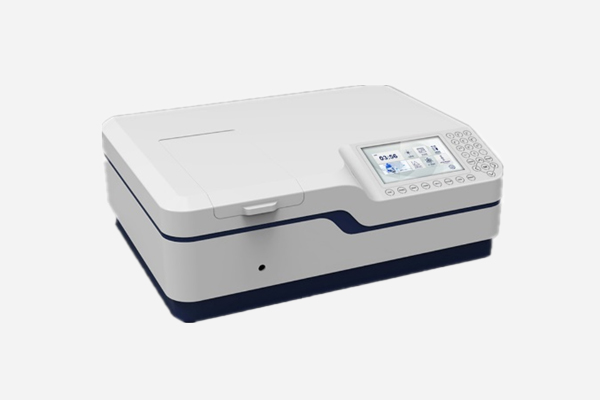
A manufacturing company operating in a regulated environment needed a reliable UV-Vis Spectrometermethod to perform routine quantitative chemical analysis for quality control and compliance testing. The laboratory regularly tested raw materials and finished products using a UV-Vis Spectrometer to ensure they met internal specifications and regulatory limits.
Previously, the lab relied on outsourced testing and basic visual or titration methods instead of a UV-Vis Spectrometer, which resulted in long turnaround times, higher costs, and limited traceability. To strengthen in-house capabilities, the company decided to implement a UV-Visible (UV-Vis) spectrophotometer.
The Challenge
The quality team faced several challenges:
Need for accurate and repeatable concentration measurements using a UV-Vis Spectrometer
Slow decision-making due to external lab dependency instead of a UV-Vis Spectrometer
Increasing audit requirements for documented analytical results from a UV-Vis Spectrometer
Requirement to test multiple parameters using a single versatile UV-Vis Spectrometer
The lab required a UV-Vis Spectrometer technique that was cost-effective, easy to operate, and scientifically accepted across industries.
The Solution: UV-Vis Spectrometer
The company installed aUV-Vis spectrophotometer to perform routine quantitative and qualitative analysis based on light absorbance.
Key Capabilities of the UV-Vis System
Measurement across UV and visible wavelength ranges
Quantitative analysis using Beer-Lambert Law
Support for absorbance, transmittance, and concentration modes
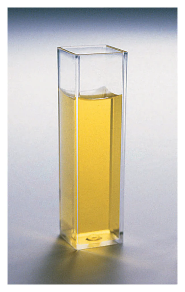
Compatibility with standard cuvettes and liquid samples
The system was selected for its reliability, simplicity, and suitability for daily QC operations.
Application Example
Monitoring Chemical Concentration
One critical application involved monitoring the concentration of a target compound in solution during production.
A calibration curve was established using certified reference standards with the UV-Vis Spectrometer
Samples were measured at a specific wavelength using the UV-Vis Spectrometer
Concentration results were calculated automatically by the UV-Vis Spectrometer and compared against specifications
This allowed rapid pass/fail decisions during production.
Implementation Process
Step 1: Method Development
Selection of optimal wavelength for the UV-Vis Spectrometer
Preparation of calibration standards
Validation of linearity and repeatability
Step 2: Routine Quality Control
Daily sample measurement using validated methods
Immediate feedback to production teams
Electronic storage of results from the UV-Vis Spectrometer for traceability
Step 3: Audit and Compliance Support
Clear documentation of UV-Vis Spectrometer test methods and results
Improved readiness for customer and regulatory audits
Reduced operator-dependent variation with the UV-Vis Spectrometer
3. Cost Savings
Lower reliance on external laboratories
Reduced rework and wastage through UV-Vis Spectrometer monitoring
4. Enhanced Compliance Confidence
Strong alignment with ISO, GMP, and regulatory expectations
Consistent, traceable analytical records from the UV-Vis Spectrometer
Key Takeaways
UV-Vis spectrometry provides a robust and versatile UV-Vis Spectrometer analytical solution
Ideal for routine QC, raw material verification, and process monitoring using UV-Vis Spectrometer
Enables in-house testing with minimal operational complexity via UV-Vis Spectrometer
Conclusion
By implementing a UV-Vis spectrometer, the company successfully strengthened its analytical capabilities. The system delivered fast, accurate, and reproducible results, supporting better quality control, regulatory compliance, and operational efficiency.
This case study demonstrates why UV-Vis spectrometers remain a cornerstone analytical tool across chemical, pharmaceutical, environmental, and industrial laboratories.