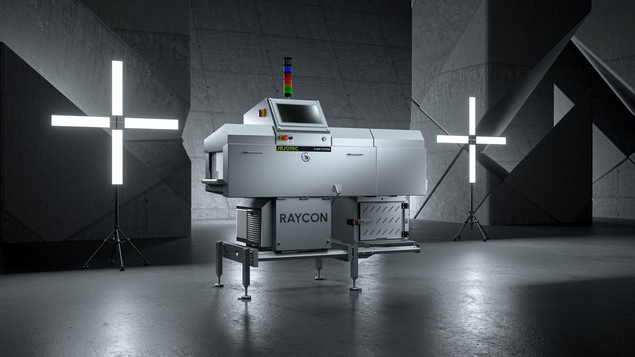
A food manufacturing company supplying packaged products to major retail chains faced increasing pressure from customers and regulators to ensure zero-contaminant products using an X-ray Machine. With growing production volumes and stricter food safety standards, the company needed a more reliable inspection method like an X-ray Machine to detect contaminants that traditional systems often missed.
Previously, the production line relied mainly on metal detectors instead of an X-ray Machine to identify foreign objects. While effective for ferrous and non-ferrous metals, this approach could not detect non-metal contaminants such as glass, stones, ceramics, dense plastics, or rubber without an X-ray Machine.
The Challenge
The manufacturer encountered several critical issues:
Inability to detect non-metal foreign contaminants without an X-ray Machine
Increased risk of customer complaints and product recalls without an X-ray Machine
Inconsistent inspection results with complex or packaged products when not using an X-ray Machine
Limited inspection capability for products packed in aluminium or metallized films without an X-ray Machine
These limitations posed a direct risk to brand reputation, consumer safety, and regulatory compliance.
The Solution: X-Ray Inspection System
To overcome these challenges, the company implemented an in-line X-ray inspection system on its production line.
Detection of metal and non-metal contaminants using the X-ray Machine
Ability to inspect products in metalized or aluminum packaging with the X-ray Machine
Real-time inspection without interrupting production flow through the X-ray Machine
Automatic rejection of contaminated products detected by the X-ray Machine
The system was configured to meet the company’s product size, packaging type, and throughput requirements.
Implementation Process
Step 1: Risk Assessment
Identified critical contamination risks using the X-ray Machine approach
Defined minimum detectable contaminant sizes based on X-ray Machine capabilities and HACCP requirements
Step 2: System Integration
Installed the X-ray Machine directly after packaging
Integrated automatic reject mechanisms to isolate non-conforming products
Linked inspection data from the X-ray Machine to the plant’s quality monitoring system
Step 3: Validation and Training
Conducted performance validation using certified test pieces for the X-ray Machine
Trained operators and QA staff on X-ray Machine operation and image interpretation
Results & Benefits
1. Enhanced Product Safety
Reliable detection of both metallic and non-metallic contaminants
Improved consumer protection and reduced recall risk through the X-ray Machine
2. Higher Inspection Reliability
Consistent inspection performance regardless of packaging type with the X-ray Machine
Reduced false rejects compared to metal detection systems
3. Improved Compliance and Audit Readiness
Stronger alignment with HACCP, GMP, and retailer audit requirements
Automated inspection records for traceability and reporting from the X-ray Machine
4. Increased Customer Confidence
Demonstrated commitment to food safety and quality assurance
Strengthened relationships with key retail customers through the X-ray Machine
Key Takeaways
Metal detectors alone are not sufficient for comprehensive contamination control
X-ray Machine provides broader detection capability and higher confidence
Early detection prevents costly downstream issues and protects brand integrity
Conclusion
By implementing an X-ray Machine, the manufacturer significantly improved its contamination control strategy. The X-ray Machine closed critical detection gaps left by conventional methods, enabling safer products, smoother audits, and stronger customer trust.
This case study demonstrates how X-ray Machine systems are an essential investment for modern production lines focused on quality, safety, and compliance.