In modern food and pharmaceutical manufacturing, product safety is non-negotiable. Consumers expect products to be free from contaminants, and regulators enforce strict standards to protect public health. Contamination, whether metal, glass, stone, or dense plastic, can compromise quality, damage equipment, or even put lives at risk.
This is where X-ray inspection systems and the X-ray Machine come into play.
What X-Ray Inspection Systems Do
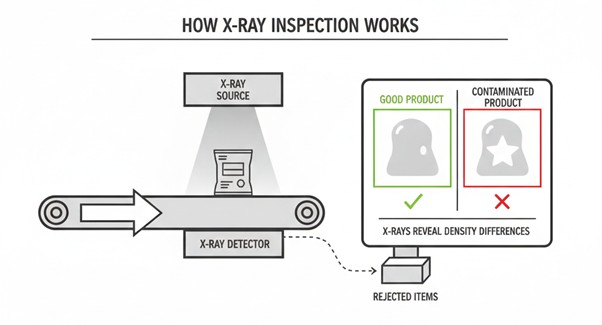
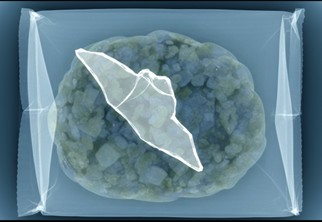
Unlike metal detectors, X-ray inspection systems using an X-ray Machine detect all dense foreign objects, including metal, glass, ceramic, stone, bone, and certain plastics. By passing the product through an X-ray Machine beam, the system creates an image that highlights variations in density, allowing real-time detection of potential contaminants.
Key capabilities include:
Detecting metal and non-metal contaminants using an X-ray Machine
Inspecting packaged and unpackaged products with an X-ray Machine
Measuring product density to ensure fill levels and consistency with an X-ray Machine
Integrating with conveyors for automatic rejection of contaminated items detected by the X-ray Machine
How Contamination Occurs
Contaminants can enter production at multiple points:
Raw materials containing stones, bone fragments, or metal shavings that an X-ray Machine can detect
Processing equipment wear producing metal particles identifiable by an X-ray Machine
Packaging issues, such as broken glass from bottles or jars detected through an X-ray Machine
Even a tiny contaminant can lead to customer complaints, product recalls, or regulatory fines. This is why manufacturers rely on an X-ray Machine for inspection. Prevention is always better than reaction.
The Role of X-Ray Inspection
X-ray inspection systems supported by an X-ray Machine prevent contamination before products leave the factory.
Detection: Products pass through the X-ray Machine beam; the system flags objects with abnormal density.
2. Separation: Contaminated products identified by the X-ray Machine are automatically removed from the production line.
3. Reporting: Inspection data generated by the X-ray Machine is recorded for quality assurance, traceability, and compliance.
By identifying hazards early, X-ray inspection with an X-ray Machine safeguards both consumer safety and brand reputation.
Advantages Over Traditional Methods
While metal detectors are limited to ferrous, non-ferrous, and stainless metals, X-ray inspection with an X-ray Machine goes further:
Detects glass, stones, ceramics, dense plastics, and bone fragments using an X-ray Machine
Works on wrapped or packaged products through an X-ray Machine, saving the need to open packaging
Offers inline monitoring through an X-ray Machine, reducing downtime and manual inspection
This makes X-ray Machine inspection especially valuable for ready-to-eat foods, dairy, frozen products, and pharmaceuticals.
Real Impact
Companies implementing X-ray inspection systems with an X-ray Machine often report:
Reduced product recalls and complaints thanks to the X-ray Machine
Fewer line stoppages due to contamination detected by the X-ray Machine
Improved regulatory compliance and customer trust through the X-ray Machine inspection process
Enhanced product quality consistency using an X-ray Machine
Ultimately, X-ray inspection powered by an X-ray Machine is a proactive shield against contamination, ensuring products reaching consumers are safe, reliable, and high-quality.
Conclusion
In today’s competitive and safety-conscious manufacturing environment, X-ray inspection systems and X-ray Machine technologyare essential. They provide fast, accurate, and non-destructive detection of both metal and non-metal contaminants, protecting your products, your consumers, and your brand.
Investing in X-ray inspection with an X-ray Machine isn’t just about compliance, it’s about building trust.