Case Study: Ensuring RoHS Compliance for Electrical Appliances with Accurate XRF Spectroscopy Testing

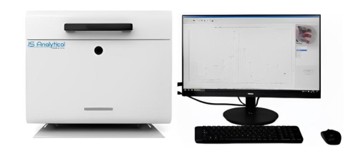
Fast, Non-Destructive Screening for Hazardous Substances
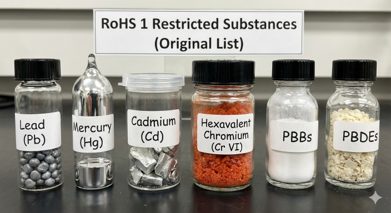
RoHS (Restriction of Hazardous Substances) compliance is an essential requirement for manufacturers and suppliers of electrical and electronic products. Restricting toxic elements such as lead (Pb), mercury (Hg), cadmium (Cd), hexavalent chromium (Cr⁶⁺), and brominated flame retardants protects both the environment and end-users. X-Ray Fluorescence (XRF) spectroscopy has emerged as one of the fastest and most reliable screening methods for verifying RoHS compliance in materials and components.
What Is RoHS and Why It Matters
The RoHS directive limits the use of ten restricted substances in electrical and electronic equipment to protect human health and reduce environmental impact. These restricted materials include Cadmium, Mercury, Hexavalent Chromium, Lead, 2 0062rominated substance and 4 phthalates, which are heavy metals and hazardous chemicals which may be present in raw materials, solders, connectors, plastics, and coatings. To legally sell products in many markets, manufacturers must demonstrate that these substances do not exceed RoHS regulatory limits in any homogeneous material.

What Is XRF Spectroscopy?
X-Ray Fluorescence (XRF) spectroscopy is a non-destructive elemental analysis technique that identifies and quantifies elements within a sample simply by exposing it to X-rays. This analytical method is widely used to support RoHS material screening. When materials are irradiated, they emit characteristic fluorescent X-rays unique to each element. High-resolution detectors capture and analyse these emissions, enabling rapid determination of whether restricted elements regulated by RoHS are present.
Why XRF Is Ideal for RoHS Testing
XRF spectroscopy has become a preferred method for RoHS screening because it offers key advantages:
- Non-destructive testing — Samples remain intact for future RoHS verification Minimal preparation — No need for chemical digestion or complex sample prep for RoHS screening
- Rapid results — Elemental data in seconds to minutes for RoHS analysis
- Multi-element detection — Simultaneous analysis of six non-phthalates RoHS-restricted elements
- Portable and benchtop options — On-site RoHS screening with handheld XRF or in-lab analysis with desktop systems
This makes XRF a highly effective first line of defence in quality control and RoHS compliance workflows.
Typical XRF RoHS Testing Workflow
- Sample Selection: Representative parts from production batches are chosen for RoHS testing.
- Instrument Calibration: XRF instruments are calibrated against known standards.
- Spectral Measurement: The XRF device irradiates the sample and captures its fluorescent X-ray emissions for RoHS analysis.
- Data Interpretation: Software compares detected element peaks to regulatory limits and generates a compliance report.
- Decision Making: Results below threshold confirm compliance; values near limits may trigger additional lab confirmation.
Handheld vs. Desktop XRF Systems
RoHS XRF spectrometers are available in two main configurations:
- Handheld XRF: Portable, field-ready units for on-site RoHS screening and supplier audits. For large samples not suitable for moving or cutting into small sizes.
- Desktop XRF: Fixed laboratory systems with improved sensitivity for routine RoHS quality control. Recommended for small samples for higher scanning precision.
Both provide fast elemental analysis for RoHS verification, with handheld models offering increased flexibility and desktop systems providing robust performance for frequent testing needs.
XRF and Confirmatory Testing
Although XRF provides rapid RoHS screening, certain situations may require confirmatory laboratory analysis (e.g., concentration near regulatory limits). Confirmatory methods such as ICP-OES, GC-MS, or wet chemical extraction deliver precise quantification and support official RoHS declarations of conformity when needed.
In many quality systems, XRF is used as the primary RoHS screening tool, with lab analysis reserved for borderline cases or certification documentation.
Benefits of XRF RoHS Testing
Using XRF spectroscopy for RoHS compliance offers several benefits:
- Improved product safety and reliability
- Reduced risk of regulatory penalties
- Faster time-to-market through streamlined testing
- Lower testing costs with minimal sample prep
By integrating XRF into manufacturing quality control, companies can maintain compliance, protect users, and enhance supply chain transparency.
Conclusion
RoHS compliance remains a critical obligation for electronics and electrical equipment manufacturers worldwide. XRF spectroscopy provides a rapid, non-destructive and cost-effective solution to screen for hazardous substances and ensure products meet regulatory standards.
Whether for routine in-house testing or supplier qualification, XRF is a trusted tool for modern compliance workflows.
Want to Learn More?
Looking to implement or upgrade your RoHS testing capabilities? Contact our specialists for tailored advice on XRF spectroscopy solutions that fit your industry and compliance challenges.